

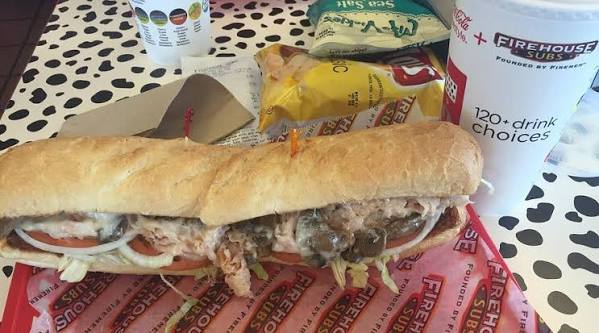
Venturing into the quick-service restaurant industry often begins with a specific vision: finding a balance between an established business model and the independence of local ownership. For many entrepreneurs, the appeal of a sub sandwich franchise in Las Vegas, NV lies in the combination of a high-traffic destination and a product that appeals to a wide variety of consumers. Whether serving local residents or the transient population that frequent the area, the ability to operate a business with built-in operational support can be a compelling path toward professional autonomy.
Navigating the Challenges of High-Volume Market Environments
Opening any food service establishment in a major urban center like when exploring franchise opportunities in Las Vegas, NV presents a unique set of variables. In a competitive landscape, the primary challenge is not just capturing initial interest, but sustaining performance through seasonal shifts and changing neighborhood dynamics. A common pitfall for new operators is underestimating the complexity of consistent service delivery. When a business relies on a standardized experience, any inconsistency can affect how customers perceive the value of the brand.
Furthermore, supply chain management and labor requirements often prove more intricate than they appear from the outside. Maintaining the quality of ingredients while managing fluctuating costs requires a level of diligence that can catch new owners off guard. Understanding these operational realities early—and recognizing that a franchise system is designed to mitigate, but not eliminate, these burdens—is a foundational step for anyone considering this path.
How the Franchise Partnership Model Functions
A franchise agreement typically acts as a framework for the relationship between the parent entity and the individual owner. By choosing to open a sub sandwich franchise in Las Vegas, NV, you are generally purchasing access to a proven set of procedures, menu standards, and branding elements.
The process typically begins with a vetting phase where prospective owners learn about the requirements of the system, including site selection criteria and initial training programs. Once an agreement is reached, the partnership moves into the setup phase. This involves identifying a suitable space, navigating local requirements for health and safety, and sourcing the necessary equipment based on the franchisor’s established specifications. The goal is to replicate a successful operational model in a new setting, which is why adherence to the provided guidelines is usually a central focus of the training curriculum.
Key Factors That Shape Long-Term Success
Success in this industry is rarely the result of a single factor; it is typically the culmination of several overlapping variables. First, location selection is paramount. While a high-visibility area with significant foot traffic may seem ideal, it must be balanced against the realities of overhead costs and the specific demographic profile of the surrounding neighborhood. A location that supports a steady lunch rush may perform differently during evening or weekend hours, and a smart operator considers how these cycles impact overall profitability.
Second, the relationship between the owner and their team is often the deciding factor in how smoothly a location runs. Because the product is prepared fresh on-site, the training and retention of staff become central to the customer experience. A team that understands the importance of speed, cleanliness, and accuracy can make a significant difference in repeat business.
Finally, community integration plays a role. Businesses that find ways to participate in local events or support nearby organizations often build a foundation of loyalty that goes beyond the convenience of their menu. Residents of the area tend to gravitate toward businesses that feel like a reliable part of their daily landscape, making the owner’s role as a local manager more influential than a purely hands-off approach might suggest.
Practical Approaches to Evaluating Opportunities
If you are exploring the possibility of launching a sub sandwich franchise in Las Vegas, NV, the most practical step is to approach the research phase with a clear set of questions. Rather than looking for a guaranteed outcome, look for the level of support a company offers in the areas that matter most to you, such as marketing, training, and ongoing operational guidance.
Consider these practical considerations during your due diligence:
- Operational Support: Ask how the company helps new owners navigate the initial phase of opening, particularly regarding the sourcing of goods and the implementation of safety standards.
- Training Depth: Evaluate whether the training provided is comprehensive enough to give you confidence in managing a team, or if it focuses primarily on the surface-level aspects of the business.
- Feedback Loops: Inquire about how other owners in the system share their experiences and whether there is an active communication channel for resolving common challenges.
- Adaptability: Seek to understand how the system as a whole handles shifts in consumer preferences. A flexible, forward-thinking organization is generally better positioned to navigate changes in the industry than one that remains static.
Engaging with existing owners—if the opportunity allows—can also provide a realistic perspective on the day-to-day work involved. Often, those who have been through the process are willing to share insights about the time commitment and the specific local considerations that an outsider might not immediately recognize.
Taking a measured approach to this decision is vital. A sub sandwich franchise in Las Vegas, NV can offer a structured environment for those who appreciate clear processes, but it requires the same diligence and commitment to detail as any other venture. By focusing on the fundamentals of quality service, staff development, and strategic location management, you can build a business that serves its community while fulfilling your goals as an owner. The next sensible step is to reach out to the professional teams at a few prospective franchises to learn about their specific support structures and evaluate how well their systems align with your professional background and long-term vision.









Leave a Reply